Wissen-24 | Die Seite für Mehrwisser
"Wissen ist Macht" oder auch "ein guter Rat ist unbezahlbar", all diese Weisheiten kennen wir, doch stellen uns auch alle vor das selbe Problem: Woher den guten Rat oder das Wissen bekommen? Die Antwort: Wissen-24 | Tipps und Tricks für den Alltag.
Die neuesten Artikel
Jose Maria Silveira Neto cc by sa
Welchen Film soll ich guckenEs gibt so viele gute Filme, leider finden nur sehr wenige davon den Weg ins Fernsehen. Aber welche Filme sind...

Mark Dayton cc by
Was soll ich werdenWas soll ich werden, manchmal stellt sich die Frage nur einmal im Leben, manchmal mehrmals. Nicht immer findet...
Joel Bez cc by
Was kann man kochenEs gibt diese Tage, da hat man einfach keine Idee, was man servieren könnte. Was kann man kochen, wenn man ma...

Maciej Chojnacki cc by
Warum muss man sterbenWir werden geboren, wir leben und irgendwann müssen wir auch wieder sterben. Aber warum eigentlich, warum mus...
Katrin Lorenzen cc by sa
Wo ist das Kap der guten HoffnungDas Kap der guten Hoffnung liegt im südlichen Teil Südafrikas, ist aber nicht der südlichste Punkt des afri...

Dana Robinson cc by sa
Was sollte man nicht essen wenn man abnehmen willDie Hose zwickt, ein paar Kilos müssen weg. Aber wie wird man diese überflüssigen Kilos am schnellsten los?...
Weitere neue Artikel
Hauptkategorien Übersicht

cliff1066TM cc by

Alexandre Dulaunoy cc by sa
Falashad cc by
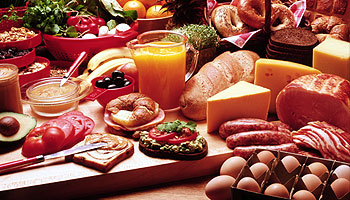
PhotoDisc Inc.
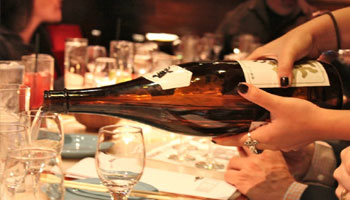
Leyla.a cc by sa

Bosc d Anjou cc by

Richard Riley cc by

Grand Velas Resort cc by sa

David Baron cc by sa
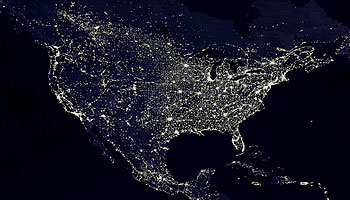
visibleearth.nasa.gov

William Murphy cc by sa

duke9042004 cc by
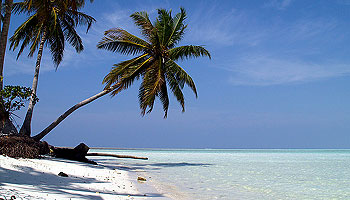
Shazwan cc by

Mike Baird cc by
Kjunstorm cc by
